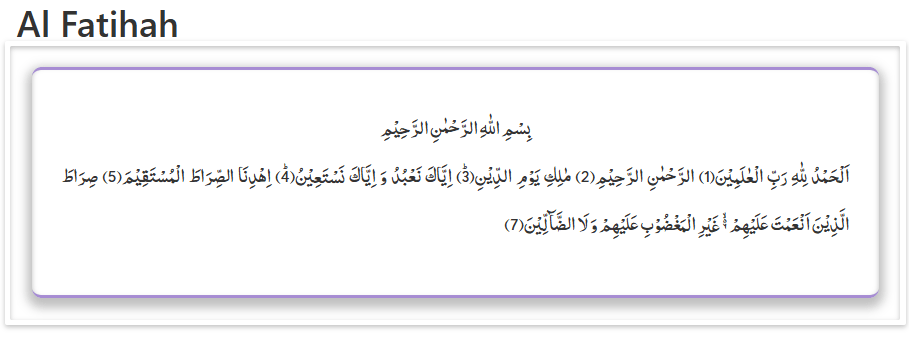
Surah Al-Fatihah, the opening chapter of the Quran, holds a unique and profound position in Muslims’ lives. It is often referred to as “Ash-Shifa” (The Cure) because of its spiritual potency and ability to heal physically and emotionally. This article explores how one can incorporate Surah Al-Fatihah into daily life as a means of healing while delving into its benefits and practical applications.
The Healing Power of Surah Al-Fatihah
Surah Al-Fatihah is a deeply comprehensive chapter that addresses the human soul’s fundamental needs. Its verses glorify Allah, acknowledge His mercy, and seek His guidance. This chapter reminds believers of their reliance on Allah, which is a powerful source of emotional and spiritual comfort.
Prophet Muhammad (peace be upon him) described Surah Al-Fatihah as a cure. In one narration, a group of companions used it to treat a tribal chief who had been bitten by a scorpion. Upon reciting Surah Al-Fatihah, the man was healed, and the Prophet confirmed its status as a healing chapter (Sahih al-Bukhari, Hadith 5736).
Spiritual and Emotional Healing
Surah Al-Fatihah is not just for physical ailments; it also heals the soul by addressing emotional and spiritual wounds. Reciting this chapter with focus and understanding can:
- Provide relief from anxiety and stress.
- Instill hope and reliance on Allah during challenging times.
- Help cleanse the heart of spiritual diseases like envy, arrogance, and despair.
Practical Applications of Surah Al-Fatihah for Healing
Here are some practical ways to use Surah Al-Fatihah as part of your daily routine for healing:
1. Incorporating It into Morning and Evening Supplications
Begin and end your day with the recitation of Surah Al-Fatihah, asking Allah for protection and healing. This practice sets a positive tone for the day and provides a sense of security at night.
2. Reciting It During Ruqyah (Spiritual Healing)
Surah Al-Fatihah is a central component of ruqyah, the Islamic practice of reciting Quranic verses for protection and healing. Recite it over yourself or others while placing trust in Allah’s power to heal.
3. Seeking Physical Healing
When feeling physically unwell, recite Surah Al-Fatihah over water and drink it with the intention of seeking Allah’s cure. Alternatively, you can gently blow on your hands after recitation and rub them over the affected area.
4. Using It in Prayer (Salah)
As part of every unit of prayer, Surah Al-Fatihah offers a moment of connection with Allah. Reciting it with mindfulness can bring immense spiritual healing and clarity.
5. Focusing on Its Meaning
Reflect on the meaning of each verse while reciting. For example, “Ar-Rahman Ar-Raheem” (The Most Gracious, The Most Merciful) can remind you of Allah’s infinite mercy, bringing peace to your heart.
Benefits of Regular Recitation
- Strengthens Faith: Repeated recitation deepens your trust in Allah’s wisdom and mercy.
- Reduces Stress: The soothing words calm the mind and provide a sense of relief.
- Promotes Gratitude: Acknowledging Allah as “Rabbil Alameen” (Lord of all worlds) instills gratitude and humility.
Balancing Faith and Medicine
While Surah Al-Fatihah is a powerful tool for healing, it is essential to complement it with practical steps such as seeking medical treatment when necessary. Islam encourages taking both spiritual and worldly measures to achieve well-being.
Conclusion
Surah Al-Fatihah offers profound healing for the body, mind, and soul. Incorporating it into daily life strengthens one’s connection to Allah, fosters emotional resilience, and instills a sense of peace. By reflecting on its meanings and reciting it with sincerity, one can unlock its full potential as a source of divine healing.
 Surah Fatiha